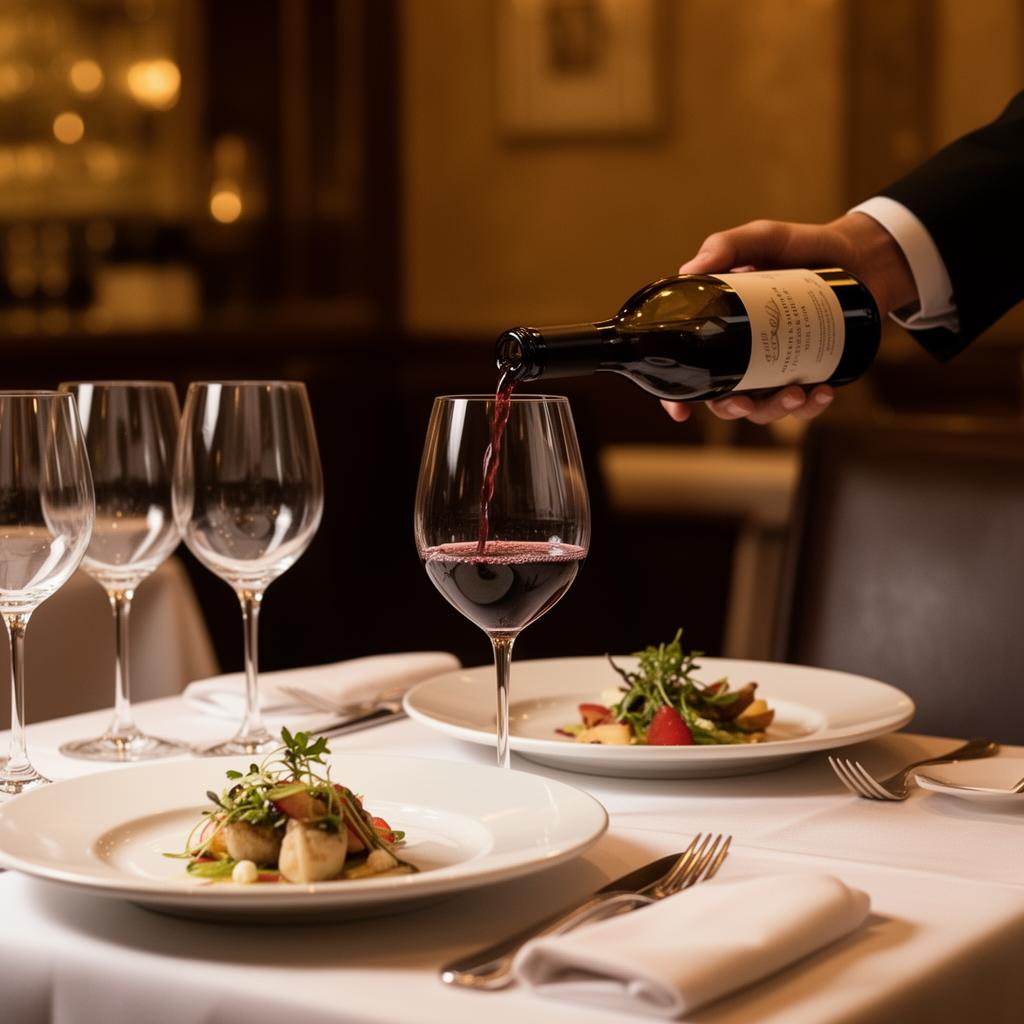
Preserving an open bottle is not a minor service detail. In restaurants, waste often appears through small repeated decisions: a bottle opened "just in case", a white left out of the fridge, a red poured three days after opening, a sparkling wine without pressure or a premium glass sold without a preservation system. Each case damages margin and trust.
Learning wine on the floor also means knowing when a wine is still alive and when it should not be served. There is no universal rule. Aromatic whites, light reds, structured reds, fortified wines and sparkling wines behave differently once opened. The team needs a simple protocol: record the opening, protect the wine from oxygen, manage temperature, taste before service and decide whether the bottle should be sold, used for training, moved to the kitchen or discarded.
In brief: preserving an open wine bottle in a restaurant means managing oxygen, temperature, time, wine style and preservation equipment. The goal is to reduce waste without compromising guest experience, especially for by-the-glass programmes, premium pours and slow-moving references.
What happens when a bottle is opened
Opening a bottle allows oxygen in. A little oxygen can help some wines show better; too much oxygen flattens fruit, dulls aroma, hardens bitterness and eventually causes oxidation. The useful question is not simply "how many days does wine last?". It is "under these conditions, does this wine still represent what we are promising the guest?".
For service, separate three stages. First is opening: the wine is served as intended. Second is the useful window: the wine remains clean, expressive and sellable, even if it has changed a little. Third is risk: the bottle may not be faulty, but it no longer offers the experience attached to its price. A good protocol prevents the team from mistaking stage two for stage three.
Practical ranges by style
Exact timing depends on storage, fill level, temperature and style, but these ranges are useful starting points:
- fresh aromatic whites: usually 1 to 2 days with cold storage and proper closure;
- fuller or oak-aged whites: 2 to 3 days if kept cold and tasted;
- roses: 1 to 2 days, especially when fruit freshness is central;
- light reds: 1 to 2 days, ideally stored slightly cool;
- more structured reds: 2 to 4 days with good preservation;
- sparkling wines: the same service or 24 hours with a reliable pressure stopper;
- fortified wines: often last longer, but still need control.
These ranges are not permission to pour automatically. They are review triggers. Once a bottle reaches its window, it should be tasted before sale.
Oxygen, temperature and fill level
Most problems come from three variables. The first is oxygen: the more air inside the bottle, the faster the wine evolves. A bottle with one third of wine and two thirds of air changes much faster than a nearly full bottle. The second is temperature: warmth accelerates deterioration. Even many open reds keep better in the fridge and can be brought back to serving temperature. The third is handling: leaving the bottle open, moving it constantly or exposing it to light and heat reduces its useful life.
The service rule can be simple: always close, always date, store cold when appropriate and taste before selling again. If nobody knows when a bottle was opened, that bottle is already a risk.
Preservation systems: when they make sense
Not every venue needs the same equipment. A basic stopper helps a little and is better than leaving the bottle open. A vacuum pump can be useful for fast-moving wines, though it does not solve every problem. Inert gas reduces contact with oxygen. Needle-based or advanced preservation systems make it possible to serve premium glasses without fully opening the bottle.
The decision should be both economic and operational. If an entry-level glass rotates within the same service, cold storage and closure may be enough. If a premium pour sells slowly, opening without preservation can turn theoretical margin into real waste. Before buying equipment, look at data: number of glass references, average glass price, glasses actually poured per bottle, days open and wine discarded.
A daily by-the-glass protocol
A useful protocol has five steps:
- Record opening date and time.
- Mark shift or responsible person.
- Store by style: cold, stopper, inert gas or preservation system.
- Taste before the first service on the following day.
- Decide the action: sell, use for training, retire, kitchen use or discard.
The fourth step matters most. The guest should not be the person who discovers that a glass is tired. A small team tasting at the start of service protects the table and trains the team at the same time.
How to decide if an open bottle is still sellable
Ask three questions:
- Is the aroma still clean, recognisable and pleasant?
- Does the palate keep freshness, balance and finish?
- Is the glass still worth the price printed on the list?
If the third answer is uncertain, do not sell it as a normal glass. The wine may still be useful for internal training, cooking where appropriate or showing the team how oxygen changes a wine. But the loss should not be passed to the guest.
Common mistakes
The first mistake is opening too many glass references without estimating turnover. The second is believing cold storage fixes every bottle. The third is treating delicate and resistant styles the same way. The fourth is not recording openings. The fifth is keeping premium glasses on the list without the preservation system needed to support them.
There is also a cultural mistake: being afraid to retire a bottle. Retiring in time is not simply losing money. It can prevent a complaint, protect reputation and show which references do not belong by the glass.
How Winerim connects it
Winerim can connect learning with data: which references are opened, how long they take to finish, what margin they promise, what stock remains and which styles survive by-the-glass service better. SAVia and the analysis tools turn open-bottle preservation into a wine-list decision rather than a closing-time guess.
Learn Wine does not replace the Wine Library. The Library explains styles, service and terms; Learn Wine teaches the protocol for using that knowledge during the shift.
FAQ
Should every open bottle go into the fridge?
Not every bottle, but many open wines keep better cold, including light and medium reds. They can be brought back to serving temperature before pouring.
Is vacuum preservation the same as inert gas or Coravin?
No. It can help with fast turnover, but it does not replace stronger preservation for expensive or slow-moving glasses.
When should a glass be removed from the list?
When it does not sell fast enough to finish the bottle inside its useful window, or when it requires preservation the venue does not have.
Continue with Learn Wine, service guide, wine styles, glass price calculator, dead stock calculator, SAVia, wine-list analysis and demo.